
A straight and well-aligned smile not only improves your appearance but also supports better oral health. Orthodontic treatments help correct issues like crooked teeth, gaps, overcrowding, and bite problems. Today, patients often choose between traditional braces and clear aligners. Understanding the differences between these options can help you decide which treatment is best for yoV
What Are Traditional Braces?
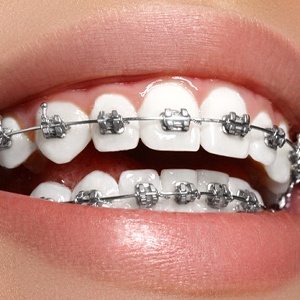
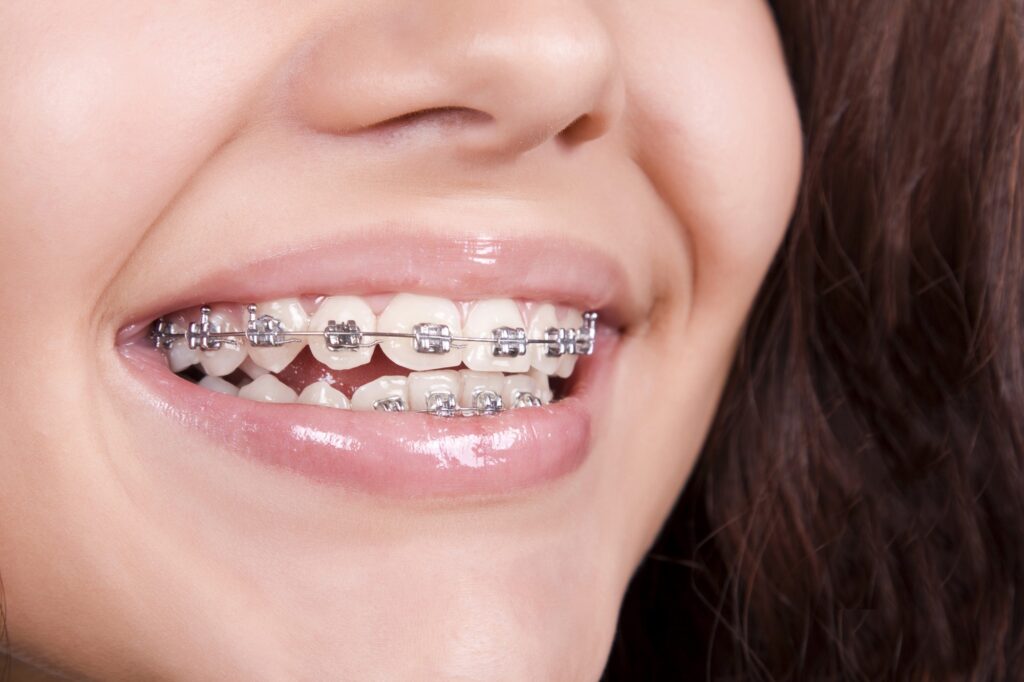
Traditional braces use strong metal or ceramic brackets and wires attached directly to the teeth. These components apply continuous , gentle pressure to gradually move the teeth into the correct position over time. They are a time-tested method recommended by orthodontist worldwide.
Advantages of Braces
- Highly Effective For Complex Cases: Metal braces are exceptionally powerful and reliable for fixing severe dental misaligment and complex orthodontic cases.
- Suitable For Severe Crowding And Bite Issues: Perfect for correcting severe crowding , large gaps, under bites, or overbites.
- Fixed And Foolproof: Since they are fixed to your teeth , their is absolutely no risk of forgetting to wear them or losing them.
- Cost-effective Option: In most cases, traditional braces are more affordable and cost-effective compare to advanced invisible aligner treatment.
What Are Clear Aligners?
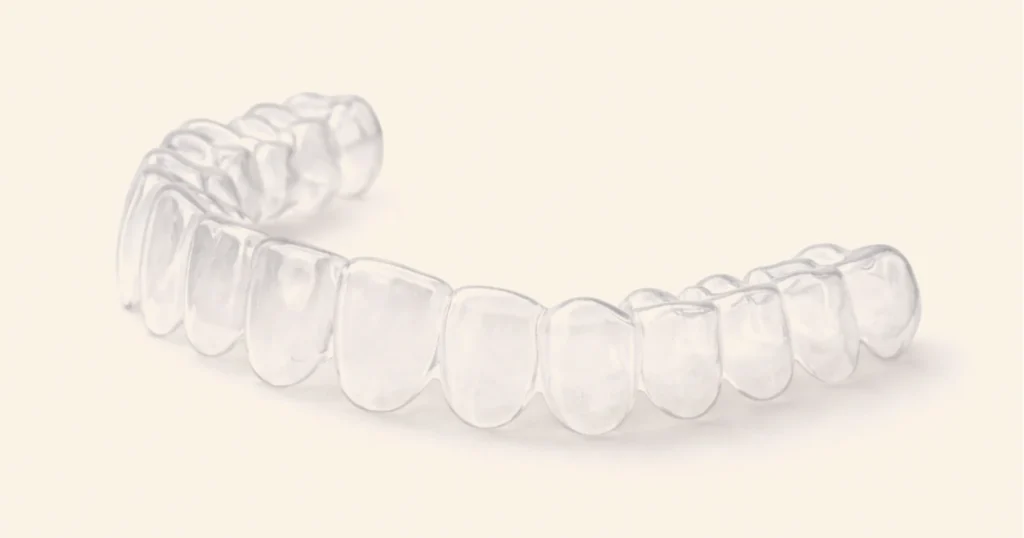
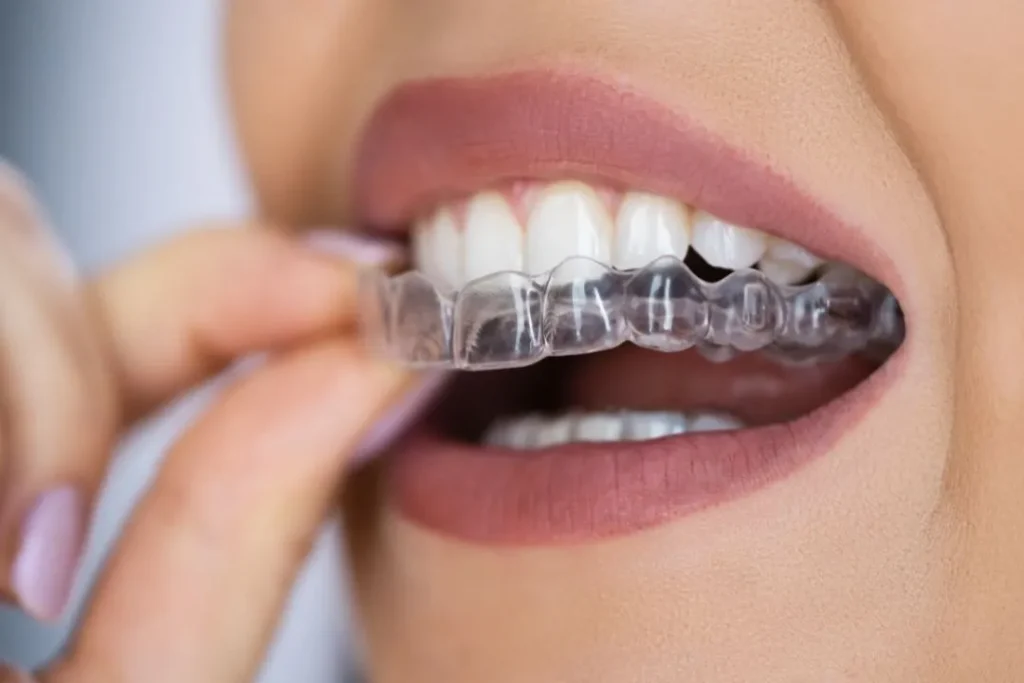
Clear aligners are transparent, custom-made removable trays designed to gradually shift your teeth into perfect alignment without any visible wire. Each set of aligners is worn for about one to two weeks for at least 22 hours a day before switching to the next set in the series.
Advantages of Clear Aligners
- Nearly Invisible Appearance: Made of clear plastic, these discrete clear aligners are almost invisible, making them ideal for adults and teens.
- Removable For Eating And Brushing: You can easily take them out while eating your favorite foods, brushing and flossing.
- Maximum Comfort: They are much more comfortable than metal braces since they have no sharp metal wires or brackets to poke your gums.
- Easier To Maintain Oral Hygiene: Since they are removeable, you can clean your teeth normally, reducing the risk of plaque buildup.
Things to Consider
Braces
- Metal brackets and wires are clearly visible on teeth, so they cannot be hidden.
- You may experience mild pain or soreness for 2-3 days after the wires tightened each month.
- Hard, crunchy, and sticky foods must be avoided to prevent brackets form breaking.
- They are permanently fixed to the teeth, so there is no risk of losing or misplacing them.
- They are highly effective can easily fix even the most severe or crooked teeth cases.
Clear Aligners
- They are made of transparent plastic, making them nearly invisible and hard for others to notice.
- They must be worn for at least 22 hours a day to achieve the best results.
- You can easily remove them while eating , allowing you to enjoy any food or drink.
- Since they are removeable, there is a higher risk of losing, misplacing or breaking them.
- They may not be as effective if the teeth are severely crooked or misaligned.
Ultimately, the choice between braces and clear aligners comes down to your personal budget, lifestyle and dental needs. Braces are ideal for fixing complex alignments permanently, while clear aligners offer a discrete and comfortable modern solution. Consult your orthodontist to choose the quickest path to us perfect smile.